Page: http://www.ameriblues.com/
Showing posts with label Robin Trower. Show all posts

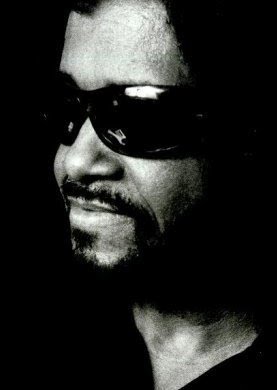
On Being Guitar Blues Legend Bobby Parker by chefjimi


"The best stuff I ever heard was by a bloke called Bobby Parker"
Robin Trower

"He is one of the few remaining guitarists on this planet that can pierce your heart and soothe your soul. He inspired me to play guitar"
Carlos Santana

Then there's these little morsels of truth; John Lennon, who lifted the signature riff from Mr. Parker’s “Watch Your Step” for not just one, but two Beatles hits: “I Feel Fine” and “Day Tripper.” Led Zeppelin created their “Moby Dick” from the same source, as did Deep Purple for "Rat Bat Blue'. Robert Plant has openly acknowledged that Mr. Parker’s first record “Blues Get Off My Shoulder,” as the disc that inspired him to start singing.

With all that said, Mr.Parker must hold some kind of a world record for being the musician that singularly inspired so many with so little. Mr. Parker’s discography is not loaded down with hits, nor does he have all that many releases to his name. Nevertheless, he’s made each one count, most notably “Watch Your Step.” which was released in 1961. Mr. Parker managed to say more with its introductory guitar riff than most artists say in their entire careers.

These accolades are not to be taken lightly. Anyone who can garner these quotes and others like them should be a household name. And yet how many of us have heard of, or are familiar with Bobby Parker ? In this interview I attempt to get down some facts about him, the music and the scores of people he has played with. I hope you enjoy it, and maybe learn a little bit too, as I did.

--------------------------------------------------------------------------

ChefJimi:
Good afternoon Mr. Parker, I was fortunate enough to see your performance at the Chicago Blues Festival on Saturday, a great crowd even with the rain came out to see you. And a great set by you and your band.

Bobby Parker:
Chicago was fun day, even with the rain, fun to meet everyone, and see people enjoying themselves. Things are blossoming again for me, it's really great. We are all excited at what has been going on. There was a show after at this club where we all got down, man it was so cool, first time I played there.

CJ:
Yes, I spoke to Cadillac Zack about it, he offered this quote "Bobby Parker's performance was legendary. His band was tight and and his singing and guitar playing was fiery." Sounds like I missed a good one !
Bobby, your history reads like a 'who's who' of R&B, Blues etc. Having played with Sam Cooke, Jackie Wilson, Pee-Wee Crayton, the list goes on.


BP:
I was lucky enough to come thru that era when all this stuff began. I met everybody that was anybody in Rock & Roll, or the Blues coming up. I saw all the stuff that went down during that time, the heartaches, hardships, and all the good stuff too. I met everybody. I was on these shows, they were called the Top 10 Review, put on by Irving Feld. They went out every year, Chuck Berry, Fats Domino, Big Bopper, Richie Valens, Buddy Holly. It was just amazing the history that transpired. I was in so many bands playing behind these great artists, and had the chance to play with all these cats, I was in the house band at the Apollo, The Regal in Chicago, and the Howard Theater in DC. We were a traveling band, just played so much great music in those days.

CJ:
How did you get started, was it a 'inspired moment' or gradual immersion?

BP:
I started out as a kid, I was introduced to guitar when I was about 12 years old. I had a paper route in my neighborhood, there was an old guy who would sit on his porch and he'd pick on his big ol' acoustic guitar, so I would open the gate and deliver his paper to him, and man it would sound so great ! I loved going there and I'd be fascinated by the music.
So one day he asked me ...'son, you want to come up here, you know how play this thing ?”, I said "oh no sir, I don't". But he knew my daddy from up the street so he let me take that guitar home and work on it. It took me no time to start playing, see my Mom was a gospel singer, we are originally from Lafayette Louisiana, in New Iberia area, where all this music was, so I had this knowledge and love from them, it didn't take me long to learn.

I was discovered while at talent show in school, I won that show like five or six weeks straight, by playing the one Blues song I knew “Reconsider Baby''. Otis Williams and the Charms was my first band. They were sorta like the Jackson Five, a little band/doo-wop group. After that I joined Bo Diddley. We then went straight to Chicago and Chess Records (Phil and Leonard). That was where I got indoctrinated to all that funky stuff. Funny guy too, he would do this old thing called 'Hambone' …

JP:
Yeh that became the 'Bo Diddley' beat, correct? Otis Taylor did Hambone at the Chicago Blues Festival. Now did Bo let you play out while with him, or were you restricted – did he let you play any of those funky Bo Diddley guitars ? (we laugh)

BP:
He wasn't a single stroke player like me, I played Licks, he found me, He said 'you one of the best young lick players I know, you wanna hang with us” and I said yeh man.

JP:
That was in Chicago ?

BP:
Yeh, that's where I met everyone. Muddy, Wolf, Little Walter - Jimmy Reed - he was up the street with the other label. . .

CJ:
Vee-Jay I believe.....

BP:
Yeh I think that was it, so I was in awe of all these people. I mean they weren't famous at this time. They only got famous when Clapton, Page and them started imitating them. They all had their times, but they also had lives, with drinking, child-support and having a great time, just ordinary cats. Traveling with Bo we covered the whole country, and that's when I met the Paul Hucklebuck Williams Band, a great guy who helped artists learn how to deal with the road and all the stuff that goes along with it.
I was with Big Joe Turner, Little Walter, Ruth Brown, T-Bone Walker, Smiley Lewis – all these people in that era, but some people hadn't come forward enough to be in the South to play with each other, so we played on a segregated basis in old Tobacco warehouse's.

JP:
So was that the chitin' circuit ?

BP:
It was the beginning of the chitin' circuit, all that great music was being played by a lot of black people, that's all it was. But the young white teenagers wanted to hear this music. They eventually integrated cos they had to hear Chuck Berry, Fats Domino and everybody else. I knew it wouldn't last long – all that negative stuff – see the music was changing everything.

JP:
How did you wind up in DC ?

BP:
Well we would travel in the big shows, with these stars like Hank Ballard and the Midnighters, but Paul Hucklebuck was a great guy, it was a big band like 20 people, like Count Basie but it was the Blues. So we would return from the Apollo and these theaters to the Howard Theater in DC and things were changing for me. There were all these people screaming for me ! Like 3,000 ladies wanting to meet me, screaming for Bobby ! I thought this might be a city I could stay in (we laugh at the thought, both agreeing that it was a no-brainer). And the rest is history. I been here ever since, this was back in the early 60's. So I started forming my own band, and that's when my idea for 'Watch Your Step' started to come around. And man, I recorded that and the whole United Kingdom, went berserk, 'da-dadadada da dum da dum...” (he is singing the riff !).

JP:
Well yeh, when I heard the lick from 'I Feel Fine” by the Beatles, I was like, I know that riff....sorta like Ray Charles 'What I'd Say' but not quite. And Led Zeppelin covered it in Moby Dick....

BP:
Well I counted over 600 variations of that riff. McCartney and Lennon knew what they were doing. They were entrepreneurs, they were also lucky, they got Isley Brother licks, Bobby Parker licks and made them work. Ya know it was gonna happen anyway, sooner or later it was gonna get into the open, the music was too good to stay isolated and separated.

CJ: And we are all better for that. Now you grew up in California ?

BP:
Yeh, I was raised up in California, we left for there whenI was about 7 years old. We were looking for a better life for us all. My father was a repairman for Wurlitzer and other juke box companies like that. He had a route downtown and he would take me with him to service the machines on Saturday's , and I did not want to do that! Yet once I went I found that there were always blues bands there. They would rehearse and that's where I met Lowell Fulsom, T-Bone Walker, a young Etta James and Johnny 'Guitar' Watson.

CJ: Your current band is really tight, and it's a big band kinda sound, that's cool, I love that sound of horns and keys etc., just a great groove sound.

BP:
My current band has been together for 15-20 years. We are a band not just an artist. I got recording studio in my home, Pro-Tools and other stuff, so I got a lot of stuff coming out soon. A lot of original stuff that I have put together over the last thirty years.

CJ: So I can expect to hear some more covers of your songs (we laugh) like I didn't realise the great Little Milton covered you on 'Blues Get Off My Shoulder', did you know Milton?

BP:
Yeh we did a lot of shows together, we played together on the stages. Lots of people did cover that song, they re-arrange it and claim it as theirs.

CJ:
There seems to be a lot of that these days, sampling and taking riffs....Did you ever come to an agreement with Led Zeppelin etc., on yer stuff and Moby Dick riff...?

BP:
Jimmy Page wrote me and wanted to meet me cos he loved my riffs and 'Watch Your Step', so I had sent him a note that we were playing in these various venues and he wanted to meet me and come over. Well I was playing the military circuit, and in Florida we were playing when my buddy on stage next to me says there's Jimmy Page and Robert Plant, sitting next to the stage out front. I'm like no way, but he was there and we tried to get him up on stage but he refused. So a couple of months later he calls me and says to go over to this music store by my home and pick up a new Teac recorder that he bought for me. Tells me to put some stuff on it, and so I did and I would send him tapes every so often. So lo and behold Mick Fleetwood gets wind of it, so he wanted to play with me. So he introduces me to Peter Green after his nervous breakdown to kick it around and we all played together. They all knew each other and 'Watch Your Step' that riff, was still in everyone's ears. So I'm in England and tearing it up, but then Hendrix was hot there and he was burning up his guitars and breaking them on stage and all this, and I wasn't about to do this, so I was feeling out of place, so I came back to the US.

CJ:
Now Bobby, there is this story about how you were given $2,000 to put out a demo for Led Zeppelin's label, but you never did it? Is there any truth to that story?

BP:
When all this happened there was so much going on cos I was still hot in Europe, there was just so much going on, people all in my face, nothing negative but everyone pulling in different directions, but it was all fine it all worked out. We still friends, but we never got it together enough to go into the studio.

CJ:
Carlos Santana has been quoted saying you inspired him to play, how did you meet him?

BP:
I was playing in Mexico and Carlos was just a kid, and trying to play but he was so nice, and he was practicing, then he got his stuff together real good now ain't he?

CJ:
Damn straight, real good. Now, Bobby, was there one stage of yer life, or time while you were playing that seems most memorable to you?

BP:
Well, you know playing in these old Tobacco warehouses and playing with T-Bone Walker. That has got to be one of them. T-Bone, was a sharp little cat, he was always playing the greatest shows he could every night. Would always be dressed up nice, and always giving lessons to the players in the band, just by watching him entertain. We were paid to entertain and put on shows, and T-Bone taught us about that, and more.

CJ:
Bobby, there is so much history involved with you and your career is there a way for fans to inform themselves after they read this interview?

BP:
Well yes there is, we have a site that is dedicated to me and my music. It is at http://http//www.bobbyparkerblues.com/ . It is a great site, we spent alot of time getting it just right. You can listen to my releases 'Bent Out of Shape' and 'Shine Me Up' in their entirety. We are on also FaceBook, so please stop by and become friends.

CJ:
Yes, the sites are really quite good, especially your personal web site. Bobby, thank you for taking the time to talk with me, it was great to see you in Chicago and hope to see you again.

reprise: So Mr. Parker is quite a story, a genuinely sweet man, who is very accepting of the past, but looking forward to the future. He is touring regularly these days and is hoping to re-establish his link with his many fans while hopefully inspiring a new generation of musicians. Personally I would love to see him accomplish his goals. Check him out if you get a chance, and tell him chefjimi sent ya !


Until the next time,
Love, Peace & Chicken Grease


If you enjoyed this serving of the Blues, you might want to check out my other articles, as I roam around seeking out the Blues wherever they are happening.
http://www.ameriblues.com/search/label/chefjimi


all photos used by permission
courtesy of artist, Danspix, and Leslie K. Joseph

copyright © 2010 – bluesuitspeaks, all rights reserved.

Pittsburgh: Part II Robin Trower Interview by Monica Yasher


"Albums don't get finished, they escape."


I played some serious mind games on myself with interviewing Robin Trower. I mean, what do I know about a guitar, when Robin knows everything about a guitar?! He has been on the cover of every major guitarist magazine in the USA and Europe. So, when I sought out some questions to ask Robin, I read all that I could about guitars, asked my friends about guitars, and I was prepping like it was a final exam and I was one point away from having an A. And I wanted that A bad!

As I said, my last interview was all about guitars for Robin. What am I? I am a songwriter. I try to write the best songs that I can. I love to talk about songs, the production, and anything and everything about THE SONG. Let’s face it. It all starts with a song! I also like to talk about the final product of the masterpiece-the making of an album. So at the end of my last interview with Robin, I asked Robin what else he would like to talk about. He said You didn’t talk about my CD! I felt incredibly bad because I would have loved to talk about THAT more than anything in the world! Why? Because it makes me a better songwriter hearing the stories of other songwriters. It creates ideas for me. You also realize the challenges every songwriter goes through, so when you hit that brick wall, you don’t give up because you realize it’s all part of the process.

Now Robin presented a Eureka moment for me, because during that interview I also asked Robin what it meant to be a professional. He told me, and all you readers, that you have to be true to yourself. Well I felt that I really let my readers down, Robin down, and myself down. I was not true to who I am with the last interview that Robin and I had. I asked him about a bunch of guitar stuff, when I am all about songs. So, I have to thank Robin Trower for keeping me grounded to who I am, which is a songwriter who likes to interview other artists to know about their songs and a would be performer who likes to know about the energy and excitement of putting on a show. So today, I am true to myself and did the interview I should have done the first time around But, I have to say, the first interview was pretty good too, huh? I mean did you really know about those six strings being different sizes? Oh com’n now! Tell the truth! Here is a bit about Robin’s new work of art!

Monica: Today we are going to talk about your CD, “What Lies Beneath”. Robin, I have to tell you, I love that you made a journal on creating your CD. And, it looks like this took a good deal of time to create. You appear to have worked on this from September to March. But, I know that the songwriting came so far ahead of March. So, let’s talk about the songwriting. How many songs did you write for this CD? How did the song selection come about?

Robin: The thing is..I suppose it really started when I started writing instrumentals. I came up with a few instrumentals and started to think about maybe doing an instrumental album. Then after I had about six or seven instrumentals, I thought…No…I’m going to do a mixture. I had some songs that I was writing at the same time. There are a couple of a songs that I have had a while. Three of the songs actually, I had for a very long time. I wanted to see if I could change them around enough to see if I could make them fit the overall vibe of what I was doing with the instrumentals. And, I wrote about three or four new songs as well. It was a combination of many things, really, but it all evolved around…I started to make some copies…just tape copies on this Sony recorder and I would just play ideas into it instrumentally or sing them myself. And, that is where it really started to all come together.

Monica: When I read the journal. It seems you were creating as you go. What do you go into the studio with. With the clips? Or, do you have some rough recordings of the whole song? I was curious…

Robin: I went in with the songs all completed. Apart from one that I wrote during that period, which was ‘Find a Place‘. To record…the process was…we would put down guitar, bass and drums. I would sing. I would sing the instrumental melody or sing the vocal while we were recording the guitar, bass and drums. That is where it starts in the studio.

Monica: Do you try out your songs in concert prior to recording them to see how they are received?

Robin: No. It takes so long to put it all together from the record process. Even once I’ve recorded them, you just keep refining them.

Monica: When I read your journal, I related your thoughts to a painter that wants to paint a landscape. Landscapes can take on many forms. As I read your journal, it seemed to me that you had a picture of what you wanted to create and you were doing bush strokes as you went along. Did you have the vision of your title, “What Lies Beneath” with your artwork and the whole package before you went in? Or did the ideas come a bit at a time as you created?


Robin: Oh No. Not at all. I just think that what the whole thing is about, if you want to sum it up, is this is where I’m at at this moment. This is what I am feeling music should be. This is what I feel lyrics should be. This is what my guitar playing should be. In those few months that’s where I was at then. Now having said that. I have since gone on and moved on. I’m writing stuff that is a little bit different now. That’s all part of the creative process. In other words, it’s an on going work. Albums don’t get finished, they escape. In other words you just go on working on it. But, you don’t stop you just have to put it out.

Monica: Did you give yourself a deadline?

Robin: No. Not really. It’s just that you don’t want to spend fortunes and fortunes on it cause you know it’s not going to sale that many. You have to come to the end of it. Plus by that time, I’m already working on the next album.

Monica: If you feel you’re not going to sale very many, how do you put your heart and soul into the effort? I think I read that your days were long and you noted a few times that you ran out of steam.

Robin: Yes. That’s right. I mean. We worked about nine hours a day in the studio. Sometimes more. You have to have a cutoff point or you come in below par the next day. So, yes. We worked hard during those nine hours and this is a lot of work to do an album. With me it is something I gotta do. You hope. You wish. You dream that it will be heard by a lot of people. In reality it won’t. You know that doesn’t change it. You still got to do it. As you said, it’s a canvas and the paints. You have to make the CD.


Monica: Looks like you brought on a new drummer for this effort, Sam VenEssen.

Robin: Somebody I worked with recommended him to me. So, I basically I tried him out and we used him on a few things. Getting drums right for the song is important. That’s why I was determined to sing. However badly, I was going to sing so the drummer was playing to the song and not the guitar part.

Monica: As a drummer did he have freedom to create or you really had the vision and had to articulate it?

Robin: Yeah. I would give him the feel that I wanted. He would go from there.

Monica: You said this was something you had to do. What is your family life like when you do the CD.

Robin: Obviously my wife doesn’t see much of me when I’m in the studio. In fact, I tend to stay away even though it’s not very far from where I live. I tend to book into a hotel so that I’m totally focused on what I’m doing.We only did a week here and there.

Monica: So when you leave the studio you haven’t really left the work?

Robin: No. I’d be thinking about…Wake up thinking about it. But that’s what you need to do. You need to be really focused.

Monica: You talked about one song in your writing and where that track sat on your CD. Can you tell me how you determine how to organize your tracks? Best practices based on keys? Telling a story?

Robin: First thing is keys. I try not to have two of the same keys following each other. Then you got tempos. That’s basically it, really. You know your track that you want to open up with. You probably think I want this one second. Your favorites tend to come out on top.

Monica: Do they?

Robin: Yeah. Then if you have other favorites, then you try to place them strategically as it where. My two favorites are the first and last songs.

Monica: Why?

Robin: It’s just that I think they are the two most successful that came off from what I had in my head when I wrote it to how it came out.

Monica: How much do they change when they are in head to the final product?

Robin: If….well…it should come out like it was in your head, basically. (He laughed.) It should have that feeling and be pretty close to your demo.

Monica: I always look at music as riding down a river and sometimes you never know where the music will take you.

Robin: Yes, that can be true. Over the years I’ve learned that if you are sitting and singing a song to yourself or playing an instrumental to yourself, that’s what it is. If you go away from it too far, you may end up with nothing at all. In other words, if you really love your song that you are singing to yourself, that’s what it’s going to be.

Monica: Is one easier for you to do than another? Is an instrumental easier for you?

Robin: No. I think instrumentals have to be doubly strong because they do not have words.

Monica: This was the first time you used strings. Would you do that again? It seems you liked the outcome.

Robin: It was right for the song. I spoke to Livingstone before we actually went in and recorded, and I said there was a couple of songs I’d like to try strings on. Of course, it gave Livingston a chance at that. He strived. He is absolutely amazing.

Monica: You do the mixing and final production too?

Robin: I was involved with the mixing to a certain point. Then Livingstone had days on his own where he did all the finalizing of the mixing, tidying up, and whatever he need to basically experiment with. I would have the final say on the final mixes.

Monica: So, he would give you some choices?

Robin: Well, you are actually mixing as you go along. You’re trying stuff and mixing as you go along.

Monica: Now that you created a CD, how hard is it to create on stage what you have done in the studio?


Robin: Well I actually play….there’s only one thing that I included in the set this time. That’s the instrumental and ‘Time and Emotion‘. I’ve actually got off ‘Find a Place‘. But, I can’t find a place for it in the set! So, it just…what you have to realize is that most people out in the audience have not heard that CD.

Monica: It’s really nice music and I wish they would.

Robin: You want to give them the songs that they come to hear basically which are the classics. The sets got to work in the terms of the CD running order. It’s got to work one after another. You just can’t plunk songs in there. It’s got to be an even flow.

Monica: You stated that this was fun yet you seem to have been challenge with this work. What was fun?

Robin: Well. Playing the guitar for me is fun. That’s all that it is. Fun. I pick up the guitar because I enjoy playing and it’s never work for me. I just love to play the guitar. That’s the engine that drives the whole thing.

Monica: As you said earlier, you eventually have to say that you are happy with the CD. Is there still something on your mind where you are saying, Gee I wish I would have?

Robin: I think there are always a few bits and pieces however long you work on something. But, no. I’m fine. I’m really happy about it. What I like is that it’s got an overall vibe.

Monica: Yes it does.

Robin: I don’t think that I have ever achieved before on a whole album. Part of that is that I think I am singing. In other words the vibe of the voice is the same as the vibe of the guitar so there is no conflict there.

Monica: I agree. You definitely set out and achieved what you wanted to do. Not that I want to compare you to other artists, but it reminded me of Pink Floyd and the Wall and how that CD had that movie flow going on where every song told a story to a bigger picture. I could hear that same vibe in your CD. I was surprised when you said that you worked on keys and tempos. I really thought you were going to tell me you wanted to tell a story and that’s how you selected the songs.

Robin: Right. Very Much. The lyrics all come from the same place and they were all connected from my psyche. They are all…that’s maybe what connects all the tracks. the fact that I believe my lyrics. I’m not just making up words that rhyme.

Monica: Why did you select your artwork on your cover? As I said earlier, I thought your music was very soothing yet you have a very dark picture on your cover.

Robin: Yeah. I just came across the artist, Bruer Tidman. There was a gallery near the studio. Livingston’s studio. Walking past I was waiting for Livingstone to come from somewhere and I looked in the window of this gallery. They had an exhibition of this guy’s work and I loved it. Immediately I said, that’s an album cover right there. In actual fact, the first one I chose is not the actual one on the album. There was another one that I liked a lot at first. But, when I found out what the title was, I thought no I can’t let it go with that. And, the other one that I liked as well IS the cover. But, you know, sometimes you can see a painting and you don’t know why and you just go yeah. Right. You are touched by it. I just loved this guys work. Everything there, and there were several paintings by him, that were huge. That painting is HUGE by the way. Big Big like five foot. I loved them all!

Monica: Thank you Robin. Well, anything you want to cover that I didn’t?

Robin: I think you got it.

Monica: Thank you for your time Robin.

Robin: It has been a pleasure.


Thank you for reading American Blues News!

If you enjoyed reading about Robin, who has a guitar developed with his name in mind, you may also like to read about GE Smith, who also has a guitar manufactured in his name. 


Copyright © 2009 Copyright Monica L. Yasher. All Rights Reserved.
Photograph Copyright © 2009 Maureen Ceidro. All Rights Reserved.

Pittsburgh: Robin Trower Interview Part I by Monica Yasher


Playing. This is truly your passion?
"I have dedicated my life to it, and I still do."


This is part one of a two part series. When I spoke with Robin, he was traveling to a show in the North East part of the United States. Let me share some of the things we talked about.

Robin: Hello Monica

Monica: Hi, How are you?

Robin: I’m good..

Monica: That’s great Robin. Should we get started?

Robin: Yeah, sure.

Monica: OK. I’ve broken down the interview into some subcategories so that we could focus on some key parts. You’ve done so much.

Robin: Yes.

Monica: Some things I thought we could talk about are your guitar style, your guitar, your band, your songwriting. I don’t see a lot out there on your songwriting, and I know you are a songwriter. Equipment, your CD, and some fun points maybe no one has asked you about yet. OK?

Robin: Sure.

Monica: The first question I would like to ask you is that Jimmy Hendrix had a profound effect on you. I would like to know how did he effect you specifically? That statement is very generalized. Could we go a bit deeper and have you share what he did.

Robin: Well the thing is when Jimi came along he did for rock n’ roll what James Brown did for rhythm and blues. He changed it. He changed things. You had to sort of take it on board if you were going to move forward really.

Monica: If Jimi would be alive today would you have continued with the sound that you have created?

Robin: I think so yeah. Really the fundamental of what I do is in my writing. You know, the music that I create is really what the whole thing is based around. I think you got the music in you of whatever you are going to write. Regardless of whatever happens.

Monica: Well…how does the music come out from you? Is it typically a great lyric, is it a great melody, a great chord progression? How do you go about developing a song?

Robin: Well I’ve done it every which way. I’ve written the lyrics first. Mostly it comes from a guitar idea. Yeah.

Monica: Has anyone else impacted you as Jimmy Hendrix did?

Robin: Yeah. I mean as I said James Brown. Howlin’ Wolfe. You know Sun House. People like this have had a huge huge influence on me. I mean James Brown Live at the Apollo completely turned my head around. A complete 360.

Monica: Did you ever meet him?

Robin: No I never did. I have to say out of all the people I really admire he is my number one musical hero.

Monica: As a performer?

Robin: As a musician and a singer.

Monica: If you had an opportunity to meet up with any artist and chat for an hour, would he have been your pick?

Robin: Oh! Without a doubt! Without a doubt! He is just a monster with that kind of thing.

Monica: Do you play anything else besides guitar?

Robin: No. I don’t. I’m still struggling trying to perfect what I do on the guitar (he chuckled).

Monica: So, do you still practice?

Robin: Yeah. Yeah. Everyday.

Monica: Do you really? How long everyday?

Robin: I would say ½ hour is a minimum. But, if I am writing I can be on it for hours.

Monica: I understand that. I believe you are known to play loud. So when you practice do you practice loud too?

Robin: No. No. Not at all. I’m very quiet.

Monica: Do you really?

Robin: Yeah.

Monica: How does that affect your sound when you go to the stage? It has to be different?

Robin: Yeah. That’s right. But, I’m good at both.


Monica: Are you? Cool, (we laughed). I see that you did a switch in your amps. My question to you is when you want to do a change in your equipment, who is your subject matter expert or peer that you really respect to bounce ideas off of?

Robin: I don’t really have anybody. I do it by struggling with it and playing with it and playing with it until I get what I want.

Monica: That’s amazing.

Robin: Well, I sorta mess around with amps all the time. This new album I got I used these little Cornell amps for the studio. At the moment on tour, I’m using these vintage modern Marshalls, which are really great.

Monica: Why did you do the switch?

Robin: I’m experimenting all the time. I’m in search of an allusive greatest sound. I used so many different Marshall Fenders, I’m always switching. I never get the right sound because every room you go into changes what the amp can do. You know what I mean? You're always looking for one, that whatever the acoustic, it will be pretty constant. Very hard.

Monica: I’ve interviewed a few guitarists, and I have to say that your sound goes beyond the guitar. The equipment that you use with the guitar is extremely important. So your work and achieving it is all new territory for me. As a matter of fact your personal signature guitar came with accessories for the 100 guitars that were made for the name of Robin Trower.

Robin: Fender did an anniversary Strat and it had the effects with it. A deja vibe. The signature model, which is what that guitar was, is a Strat that they make with my name on it that’s built to my spec.

Monica: How long did it take you to develop that guitar, and how did you go about building that guitar?

Robin: I must admit a guy called Todd at Fender custom shop...I just talked it all through with him. I looked at all the available different kinds of things I could put on it from Fender’s manufacturing list. I chose different era vintage reissued pick ups. Each one a different one of the three. The basic guitar is really close to a vintage reissued Strat. But I chose some different details that make it particular to my own spec as it were.

Monica: And, why would someone choose your guitar over another guitar? What does your guitar offer for that artist?

Robin: I think maybe trying to get what I get out of it. You know. Trying to get that sound.

Monica: I know there are a lot of tribute bands trying to get your sound. What three pieces of advice could you offer these bands in order to re-achieve your sound? What is the most difficult thing to get to, and what could be some key elements for them to consider?

Robin: I think the big part of the sound that I get out of the Strat is I have quite a high action and use quite heavy strings on the top two. and I tune down a whole step. So that makes the sound of the guitar quite neat. And using the heavier strings as well. All that you get more resonance. That was the idea of having the bigger headstop on the guitar with a bit more wood on the neck and headstop, you get a bit more resonance. All these things add up to how the sound is made.

Monica: You really have worked hard at it. Years.

Robin: Well the thing is you learn a lot over the years. And, you still are learning what can help you and what not. I think I have put it together in that Strat in order to get the best sound out of it that suits me.

Monica: Thank you. What is your favorite part of being a musician? Recording, writing, playing, being on stage? Do you produce as well? I didn’t read anywhere that you did that.

Robin: Yes. I have co-produced a couple of albums with Brian Ferry. And, obviously a few of mine as well. What I love to do is play the guitar. So weather in the studio or live, I just love it.

Monica: Playing. This is truly your passion?

Robin: I have dedicated my life to it and I still do.

Monica: In your free time what do you do?

Robin: I’m a very big soccer fan. If there is a game playing on TV that’s my big relaxation really. I watch baseball in America.

Monica: Do you have a favorite team?

Robin: I don’t have a favorite. I just like watching the game.

Monica: Thank you. If you had the opportunity to thank someone for your career is there anyone you would like to thank.

Robin: I think Derek Sutton, my manager, has a lot to do with it. But, really I think why my music was so commercial in the 70’s was due to the singer. I had at the time James Dewar. I think he made it possible for the music that I was writing to cross over. Normally that kind of stuff wouldn’t be a commercial hit. I think his vocals made it so.


Monica: Anything you would do over again or differently?

Robin: I wouldn’t have made the albums I made that I made in the 80’s. I wouldn’t make them if I could do it over again?

Monica: Why?

Robin: I don’t like them.

Monica: That was a different question I had for you . As an artist do you look back at your earlier works and think why did I put that out there?

Robin: I think everybody has some of that.

Monica: You just grew as an artist. It’s all about growth.

Robin: Yeah I think you’re right. It’s just…I love everything I did in the 70’s The eighties I just lost the plot.

Monica: Well, I’m not sure people would agree with you. But, OK. Thank you. What does it mean to be a professional to you? What is your code of ethics?

Robin: If you can, you got to be true to yourself. I mean you got to be looking to from within to find the music that you got inside. You have to avoid trying to imitate or copying. You got to find the music that you got inside you and work hard to develop it.

Monica: Thank you.. One question, getting back to Jimi Hendrix. In your bio, I read that Jimi Hendrix allowed yourself greater creative freedom. My question is why didn’t you have that before Jimi Hendrix?

Robin: After Jimi died I wrote with Keith Reed in Procol Harum a tribute piece of music to Jimi. And it opened up…there was a song called, Song for a Dreamer, and it opened avenues for writing for the guitar which I didn’t realize before. I then started to get into more and more creating music for the guitar. I eventually had to leave Proco because I had so many song ideas to start my own thing.

Monica: Let’s talk about your new initiative how did that come about? Your tour with Jack Bruce?

Robin: We made a couple of albums in the 80’s, but never toured live and we were talking about doing a remix of those two albums and putting them out again. And Jack had the idea of writing some new material and adding it to the remixes, but when we started writing we got a whole lot of songs going so decided to make a new album. And we did eventually...this year...get to play live together.

Monica: So you’re having fun.

Robin: Yeah. It’s great!

Monica: That’s what it’s about. Do you have a favorite song on that album?

Robin: Probably on that album it’s probably, Distant Places of the Heart.

Monica: And why?

Robin: Why? I just think it’s a potent piece.

Monica: Is there anything you want to share that I didn’t ask you yet?

Robin: You didn’t ask me about my new album.

Monica: How IS your new album? That’s why you tour, right?

Robin: It’s called What Lies Beneath. I’m very proud of it. Very proud of it. But, anyway, maybe we can talk about that when you have a listen to it.

Monica: I would love to talk about your new CD. Absolutely! I’d be ecstatic to talk to you again.

Robin: Let’s speak again.

Monica: That would be great! Thanks Robin! I’ll set it up with your manager. I would love to talk about your CD and the writing and inspiration behind it.

Robin: OK then. Bye for now.

Monica: Bye Robin!

We did meet up and talk about his new CD. That interview will be posted on Friday, November 27.


If you enjoyed reading this article, you may like to sit back and read part II of the Robin Trower Series

Thank you for reading American Blues News!


Copyright © 2009 Monica L. Yasher. All Rights Reserved.
Photo Copyright © 2009 Maureen Ciedro. All Rights Reserved.

To purchase the rights to reprint this article, please email info@americanbluesnews.com.

Robin Trower


Greetings blues fans! Today I am submitting photos of the great Robin Trower, taken at BB King's Blues Club on Sept, 19, 2009, the second night of two shows. Yes, Robin is a rocker, but like many other guitarists that fall under the 'rock' umbrella his playing is heavily influenced by the blues. The blues were dripping off his guitar neck this night. Playing a Strat as he always does Robin showed that while he may be older he can still lay it down and is still on top of his game.

BB King's was packed with Trower fans as I'm sure was the case the previous night. Robin played some tunes that were new to me but did throw in some of the older material, much to the delight of the crowd. The highlights for me were Fool and Me, Day of The Eagle, Bridge of Sighs and Too Rolling Stoned. Robin's playing was very expressive and the band was in fine form.

In my opinion James Dewar, Trower's original bassist and singer, was one of the great soulful voices in rock and guys like him are tough to replace. I know current Trower singer Davey Pattison from his days playing with Ronnie Montrose and while his voice isn't quite as soulful as Dewar's he did an admirable job. The band played about 90 minutes and it seemed to go by in a flash. I'm sure the guitarists in the crowd were taking notes. I really enjoyed this show and I highly recommend catching Trower if he stops in a club by you. Don't be dissuaded by the fact that he's primarily known as a rock player . You'll hear plenty of blues from Robin and his trusty Strat.

Until the next go-round, keep supporting the Blues. As you can see, these cats are working hard to lay it down for you.

Thanks to John Seroff of BB King's for providing me with access and a photo pass so I could do my thing.

Nelson G. Onofre
e-mail: nelson@electriceyes.us
my websites: http://www.electriceyes.us/
http://electriceyesphotography.blogspot.com/

click on images for a larger view

Robin Trower
BB King Blues Club, NY, Sept. 2009
http://www.robintrower.com/
photo: Nelson G. Onofre © 2009 Copyright

Robin Trower
BB King Blues Club, NY, Sept. 2009
http://www.robintrower.com/
photo: Nelson G. Onofre © 2009 Copyright

Robin Trower
BB King Blues Club, NY, Sept. 2009
http://www.robintrower.com/
photo: Nelson G. Onofre © 2009 Copyright

Robin Trower
BB King Blues Club, NY, Sept. 2009
http://www.robintrower.com/
photo: Nelson G. Onofre © 2009 Copyright

Robin Trower
BB King Blues Club, NY, Sept. 2009
http://www.robintrower.com/
photo: Nelson G. Onofre © 2009 Copyright

Robin Trower
BB King Blues Club, NY, Sept. 2009
http://www.robintrower.com/
photo: Nelson G. Onofre © 2009 Copyright

Robin Trower
BB King Blues Club, NY, Sept. 2009
http://www.robintrower.com/
photo: Nelson G. Onofre © 2009 Copyright

Robin Trower
BB King Blues Club, NY, Sept. 2009
http://www.robintrower.com/
photo: Nelson G. Onofre © 2009 Copyright

Robin Trower
BB King Blues Club, NY, Sept. 2009
http://www.robintrower.com/
photo: Nelson G. Onofre © 2009 Copyright

Robin Trower
BB King Blues Club, NY, Sept. 2009
http://www.robintrower.com/
photo: Nelson G. Onofre © 2009 Copyright

Davey Pattison w/Robin Trower's band
BB King Blues Club, NY, Sept. 2009
http://www.robintrower.com/
photo: Nelson G. Onofre © 2009 Copyright

Glen Letsch w/Robin Trower's band
BB King Blues Club, NY, Sept. 2009
http://www.robintrower.com/
photo: Nelson G. Onofre © 2009 Copyright

Robin Trower
BB King Blues Club, NY, Sept. 2009
http://www.robintrower.com/
photo: Nelson G. Onofre © 2009 Copyright


American Blues News Staff

What makes American Blues News unique is our coverage across America. Here is our lineup:

Mon: Memphis Correspondent - Robert "Nighthawk" Tooms
Nighthawk is our resident globetrotter and man behind the scenes, as he tours with the Reba Russell Band.

Tues: New York Correspondent - J. Blake
Blake is the American Blues News review and interview guru. You may catch him out and about in NY playing the blues.

Wed: National Correspondent - Monica Yasher
Monica is our executive director and artist interview specialist. You can catch Monica singing the blues around Pittsburgh or working on some country music songs in Nashville.

Thurs: Washington, DC Correspondent - Virginiabluesman
Geraldo offers inteviews and reviews. You may have seen him at an Ana Popovic concert or conversed with him on her websites, as he offers administrative support with her music.

Fri: Northeast Photographer - Nelson Onofre
Nelson offers a Friday column of blues photography and pictorial support for the interviews covered by the team.

Jim Stick in Colorado
Jim will be focusing on the Blues Festivals in the beautiful state of Colorado, and the artists that live and visit there.

Maureen Elizabeth, our resident art correspondent, will be focusing on blues art as she explores the creation of CD covers, or speaking with artists who also have a love of creating pictorial art in addition to their music! She may also feature some of her good friends in the Pittsburgh area. In her love of art, you may find Maureen's photography accompanying writer's articles on our pages. Maureen is also our marketing director.

Pittsburgh correspondent and photographer, CR Bennett, will share the Pittsburgh scene with all of you. You may also see CR's pictures accompanying other writer's articles.

We head to the big state of Texas! Abby Owen, our Texas correspondent.

Another big area to cover, the West Coast with Casey Reagan, Casey will feature many artists and events on this ocean's shores.

Lastly, we have our roving blues entertainment writer,
Chef Jimi.

And of course, we will surprise you sometimes!

 
Internet Marketingdata recovery